 Give
Give
Give
Give
Little RiverUnited Methodist Church
“To make disciples of Jesus Christ for the transformation of the world.”
Little River-Academy, Texas
Little River-Academy, Texas
104 N Kings Trail
Little River-Academy, TX 76554
Find us on Facebook.
Give withPayPal
Tap a picture, or a tab on the edge of the page.

To Know

Our Pastor
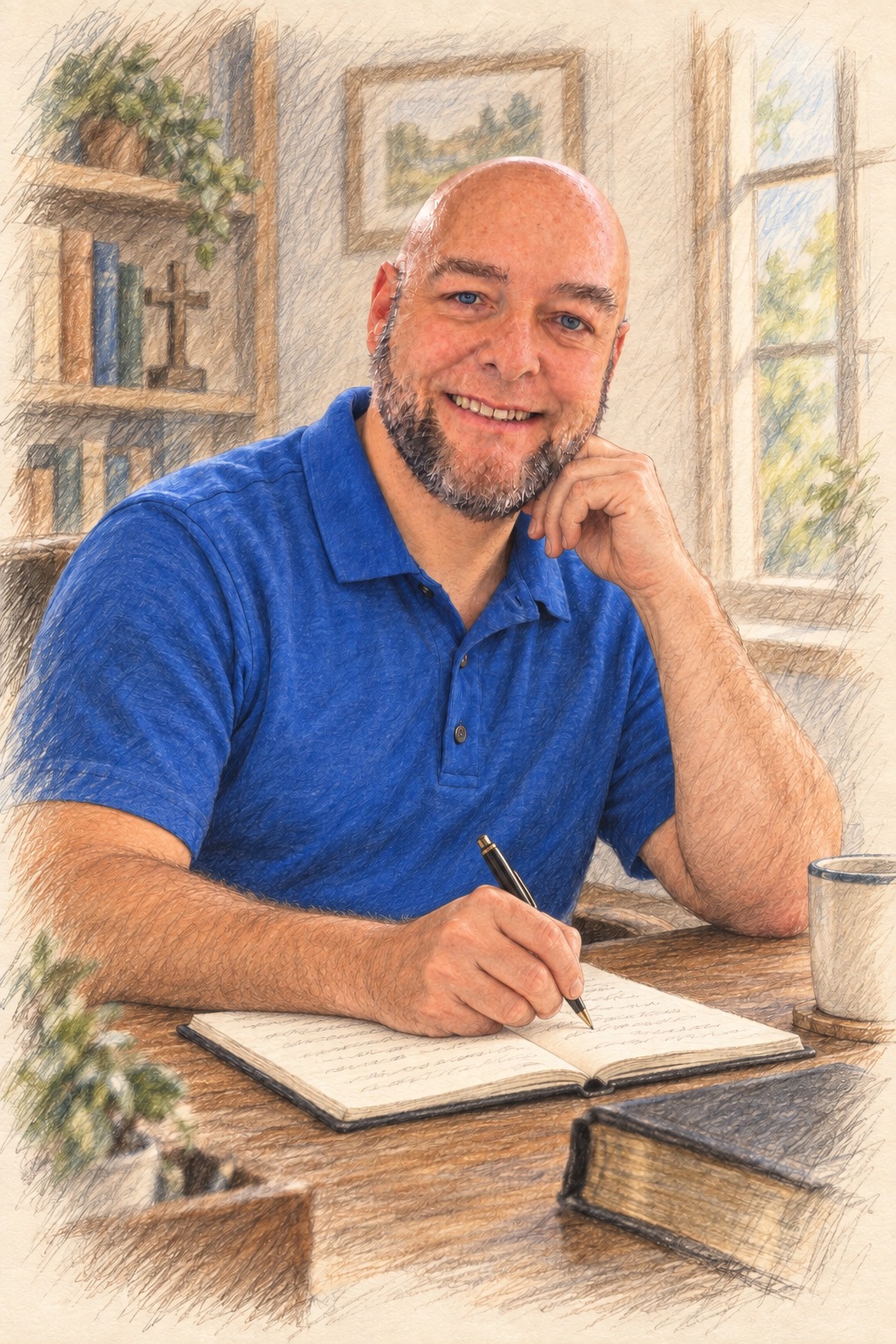
The Rev. Dr. Jonathan Mellette has been the pastor of Oak Park UMC for over a decade. He was recently appointed to Little River UMC as well and now serves both churches. He received a Bachelor of Arts degree in Music from Methodist College in 1997, specializing in piano and vocal performance. In 2005, after 14 years of music ministry, Jonathan answered a gentle yet persistent call to pastoral ministry. In 2009, he received a Master of Divinity degree from the Perkins School of Theology at Southern Methodist University. In 2012, Jonathan became the first student to graduate from SMU with a Doctor of Ministry degree in Preaching and Worship. In 2016 he was named as a Fellow in the Fellowship in Pastoral Leadership for Public Life at Austin Presbyterian Seminary and completed the program in 2017.
Jonathan is an ordained elder in the United Methodist Church and a member in full connection of the Horizon Texas Conference. He describes his call to ministry as "centered in worship and focused on preaching."
Jonathan loves the works of C. S. Lewis, all things Star Trek, audiobooks, writing, software development, and LEGO – not necessarily in that order. He lives in Temple, Texas with his wife Sheryl. He has five grown children, Matthew, Brennan, Grace, Connor, and Dylan; and their beloved Boston Terriers, who will never grow up, Julius and Sophie.
Our Administrator · Council Chair

To Grow
Coming soon

To Flow
Coming soon

Nothing on the calendar just now. Check back soon.
Articles
Pastoral Ponderings
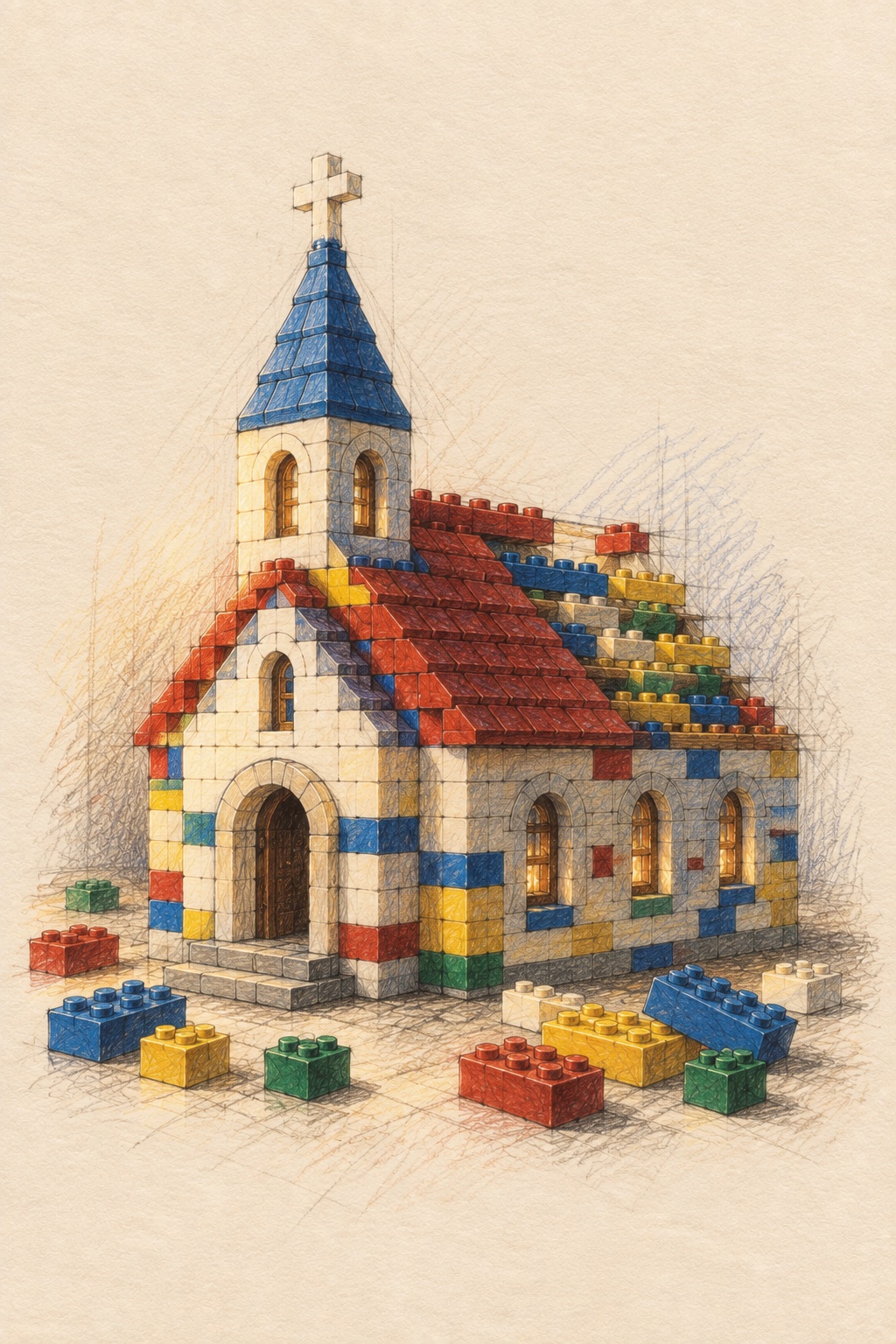
My recent journey into the world of LEGOs began unexpectedly. It was a simple gift, a LEGO set, intended as a light-hearted distraction from the everyday stresses of life. Little did I know, this gift would unfold into a profound reminder of the creativity, patience, and reflection, mirroring the deep and timeless lessons found within the Bible.
As I assembled the pieces, each click and snap became an almost-meditative practice, drawing me into a state of focused calmness. The process of building – of seeing a complex whole emerge from seemingly random parts – reminded me of the biblical story of creation. In Genesis, the world is formed from a void, an act of divine creativity that brings order, beauty, and purpose from chaos. In my hands, LEGO bricks transformed into flowers, structures, cars, and scenes, each a small echo of creation itself.
This journey with LEGOs became more than a hobby. It became a way to remember how I got to where I am today. Just as a LEGO set comes with a manual, guiding the builder step by step to the final product, the Bible offers guidance for life's journey. When I first began to understand them, Psalms and Proverbs, with their wisdom and teachings, became like the instruction booklet for my soul, showing me how to navigate challenges and build a life of meaning and purpose.
The meticulous process of following LEGO instructions also taught me patience and perseverance. There were moments of frustration, pieces that didn't seem to fit, and moments when I had to dismantle sections to correct mistakes. These challenges paralleled the biblical stories of the many followers of God depicted in the pages of the Bible, who, in obedience and faith, sought and fought to do God’s will amid doubt and uncertainty. I was reminded of their perseverance in the face of a daunting task as I worked piece by piece, trusting in the vision of the completed set before me.
Perhaps most significantly, my LEGO experience illuminated the concept of transformation. A pile of bricks, in and of themselves, holds potential but requires a builder to realize it. This transformation from potential to reality echoes the biblical theme of redemption and growth. Just as Jesus called his disciples to follow him, transforming their lives in the process, each LEGO project was a journey from the raw potential of scattered pieces to the fulfillment of a completed creation.
In every LEGO set I completed, I saw a reflection of the biblical narrative: a story of creation, challenge, perseverance, and transformation. These themes, woven through the Scriptures, found a new resonance in my life through the simple act of building with LEGOs. Each project became a parable, teaching me about the nature of faith, the importance of following the “instructions” provided by God, and the joy of creating and transforming, both in the world of plastic bricks and within the spiritual journey of life.
My foray into the world of LEGOs has become an unexpected source of spiritual reflection and growth. It has shown me that lessons of faith, perseverance, and transformation can be found in the most unexpected places, reminding me, and now hopefully us, that the God's presence and teachings permeate all aspects of our lives. As I continue to build, both with LEGOs and in my faith, I carry with me the lessons learned, enjoying hobby and life more and more, as things continue to “click.”
Pastoral Ponderings
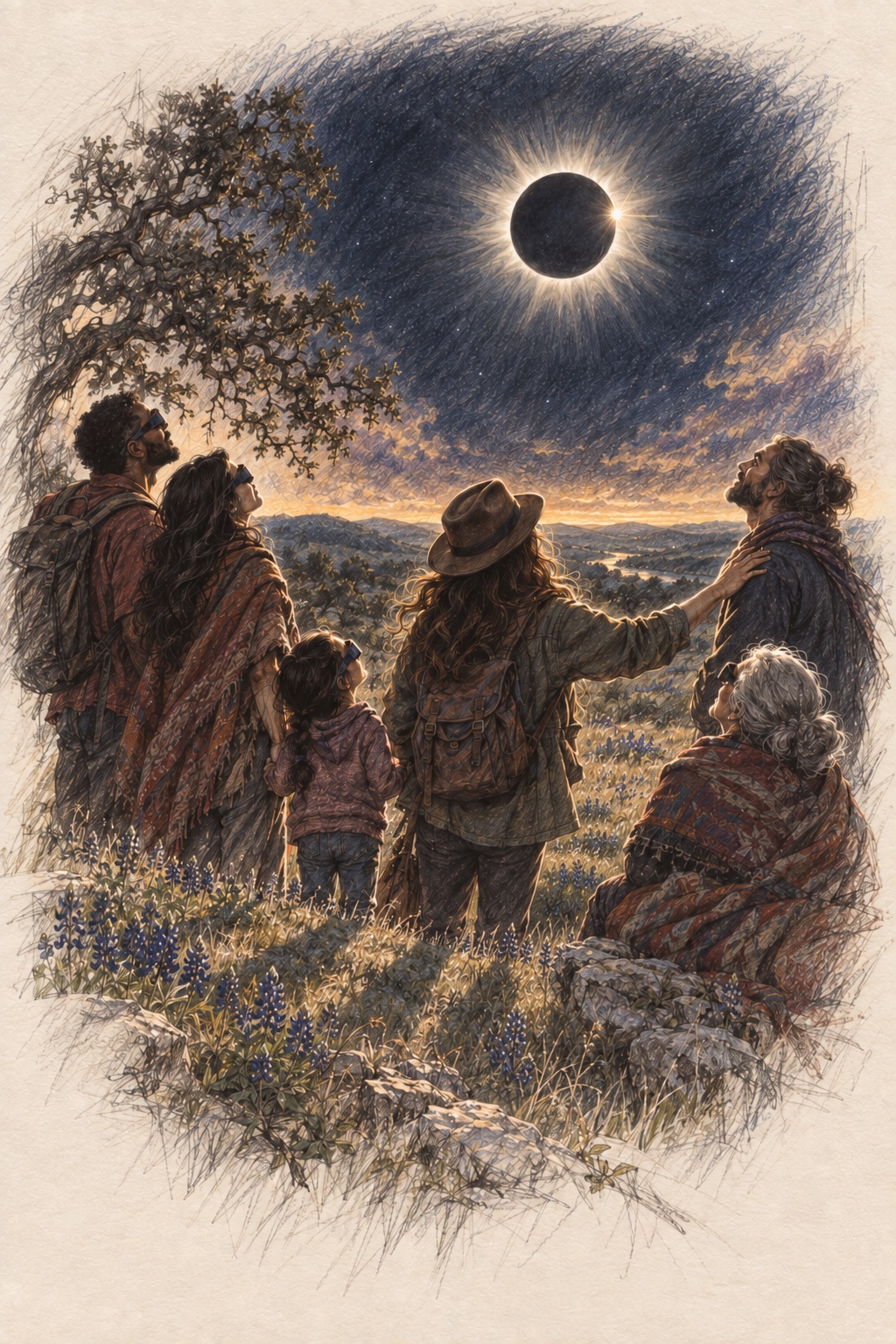
In nearly all religious traditions, light and darkness serve as powerful metaphors for knowledge and ignorance, presence and absence, and perhaps most importantly, good and evil. The eclipse, a dramatic interplay of light and darkness, invites us to consider these dualities in both our intrapersonal lives and the world around us. It serves as a reminder of the transient nature of life, the cycles of renewal, and the continuous dance between light and shadow that defines who we are as a people. They're also really cool, and I think it's absolutely amazing that we happen to live in an area that, next month, will be an ideal location to view the rarest of all eclipses—the total eclipse. A time of darkness when darkness is not the norm.
Darkness can be scary. In John 3:19-20, we read, "And this is the judgment, that the light has come into the world, and people loved darkness rather than light because their deeds were evil. For all who do evil hate the light and do not come to the light, so that their deeds may not be exposed." Scary indeed.
However, for Christians, where our Bible proclaims the word "love" twice as many times as the word "fear," we know there will be nothing scary about this eclipse—other than the traffic. It can and should be viewed as a moment to contemplate the light of Christ and the promise of hope—even in times of darkness. The temporary darkness of the eclipse may remind us of the moments when faith feels distant, urging us to seek the light that dispels shadows of doubt and fear.
It occurs to me, however, that the eclipse also offers a moment for communities to come together in wonder and contemplation, regardless of religious belief or non-belief. It's a reminder of our shared humanity, our common gaze toward the heavens in search of meaning and connection. In a world too often divided and defined by differences, the eclipse presents a unique opportunity for unity, as people from all walks of life gather to witness the awe-inspiring event together. And the beauty of it all is that while the day will darken, we'll know, beyond any shadow of doubt, that the sun is still there. There's power in that knowledge.
As we look up at the sky together on April 8th, may we also look within and to one another. May this eclipse be a time for renewal, for setting and acting on intentions to bring more light into our lives and the lives of others. May it inspire us to be beacons of hope and compassion in a world that often seems overshadowed by division and strife. May it remind us that even when the light is hidden, it's still there.
If we can do this, I believe that in the brief darkness of the eclipse, we may just find a profound sense of peace and a renewed commitment to illuminate other darknesses with acts of kindness and love. Let's commit together to embrace the reminder that, even in moments of darkness, light is never far behind. And anyway, often it is in the shadows that we find the most beautiful revelations of all.
As Central Texas stands under the shadow of the moon in the middle of the day, may we all find a moment of unity and reflection, a shared experience that transcends the ordinary and touches the divine. In the fleeting darkness of the eclipse, let there be light—within us, among us, and through us.
Pastoral Ponderings
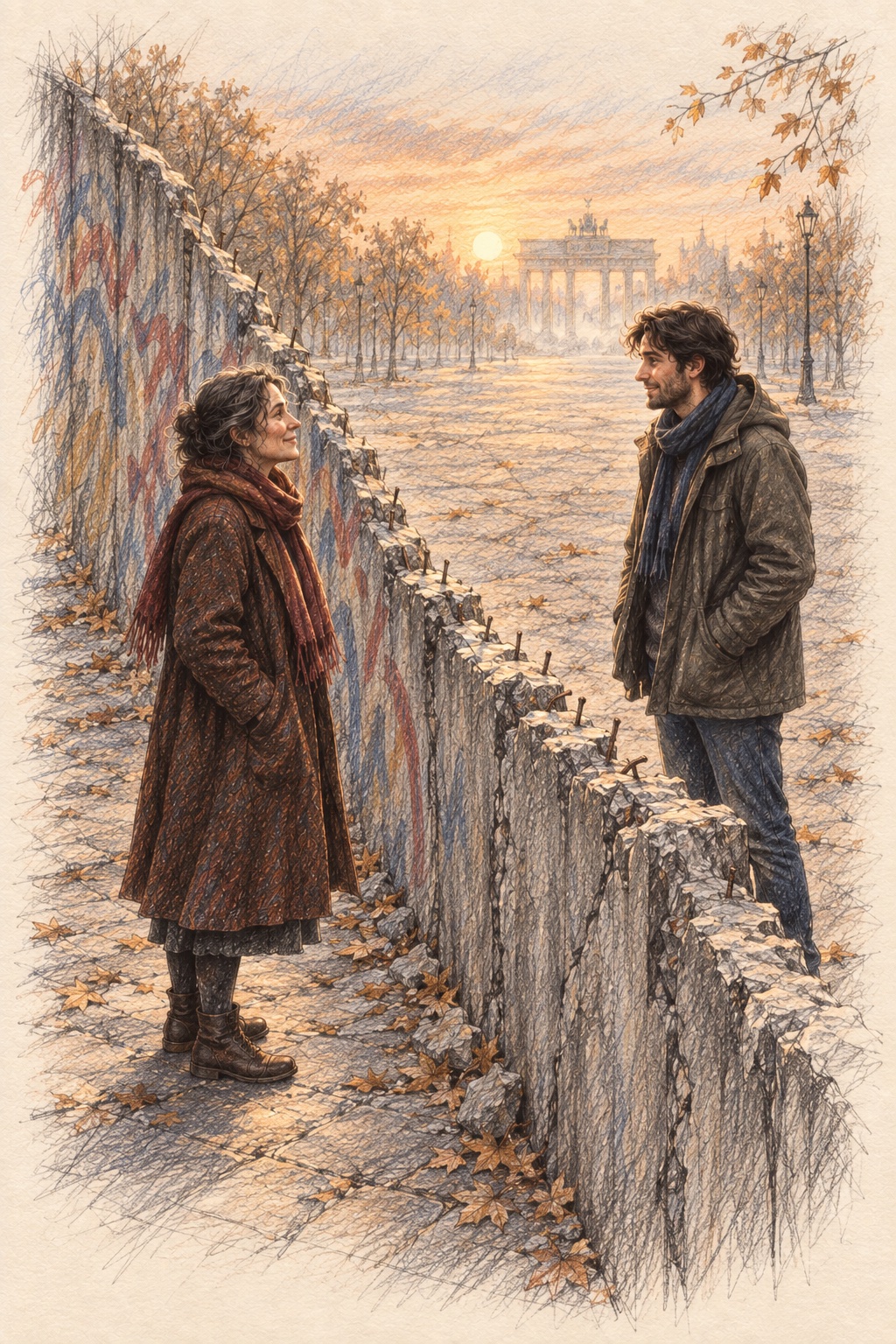
We seem to be on the brink of another cold war with Russia, but that's not what's on my heart and mind today; rather, it's the cold war brewing right here in the heart of America. It’s bad enough that I could succumb to despair, but instead, I'm choosing to embrace hope, inspired by a historical moment: the fall of the Berlin Wall.
In our era, marked by digital divides and ideological clashes, the Berlin Wall's downfall in 1989 whispers to us a reminder that no barrier, concrete or virtual, is insurmountable or indestructible. We’re still navigating the fallout of a global pandemic. Political discord, always contentious, has turned vitriolic. The debates over digital privacy further strain our sense of community. It's clear we're up against some massive invisible walls dividing our nation, our communities, and sadly, even our families. Fortunately, history has shown us time and again that every wall presents a chance for unity.
I still remember being a high school senior, oblivious to the monumental significance of the Berlin Wall coming down. But hindsight has blessed me with clarity. The Wall's collapse wasn't merely a political victory; it was a testament to the human spirit's longing for freedom and connection. This event, emblematic of breaking down actual divisions, serves as a powerful metaphor for the challenges we face today.
The digital age, while astonishing in its ability to connect, has ironically deepened our divides. Social media, once a promise of closer ties, now serves as a battleground for misinformation and isolation. Privacy debates and pandemic-induced barriers further strain our sense of community. At least we used to be able to disagree amicably; now there's an air of "you're either with me or against me."
In these challenging times, we can turn to Ephesians and find a beacon of hope and a reminder of the peace and unity attainable through faith. "Christ is our peace. He made both Jews and Gentiles into one group. With his body, he broke down the barrier of hatred that divided us. He canceled the detailed rules of the Law so that he could create one new person out of the two groups, making peace. He reconciled them both as one body to God by the cross, which ended the hostility to God. When he came, he announced the good news of peace to you who were far away from God and to those who were near. We both have access to the Father through Christ by the one Spirit” (Ephesians 2:14-18).
Today, I invite you to reflect on the Berlin Wall's fall, a pivotal moment that united people in their quest for freedom. Let's draw inspiration from those who chose unity over division. Remember, no wall can stand against the collective will of people driven by a shared cause. As we navigate our differences, it's essential to remember that diversity in thought does not preclude unity in spirit. John Wesley's words remind us, 'Though we cannot think alike, may we not love alike?” In our daily interactions, let's challenge ourselves to embody Wesley's words, seeking not uniformity of thought but unity in love and respect. As we face our own barriers, let's extend our hands across divides, guided by compassion and a steadfast understanding that we’re all in this together.
This moment in history doesn't have to be a sad memory we look back on someday with the clarity of hindsight. It can be, and I believe is, a call to action right here, right now. Let's be the architects of bridges, not barriers. Together, we can forge a world marked not by the walls that divide us, but by the connections that unite us.
Pastoral Ponderings
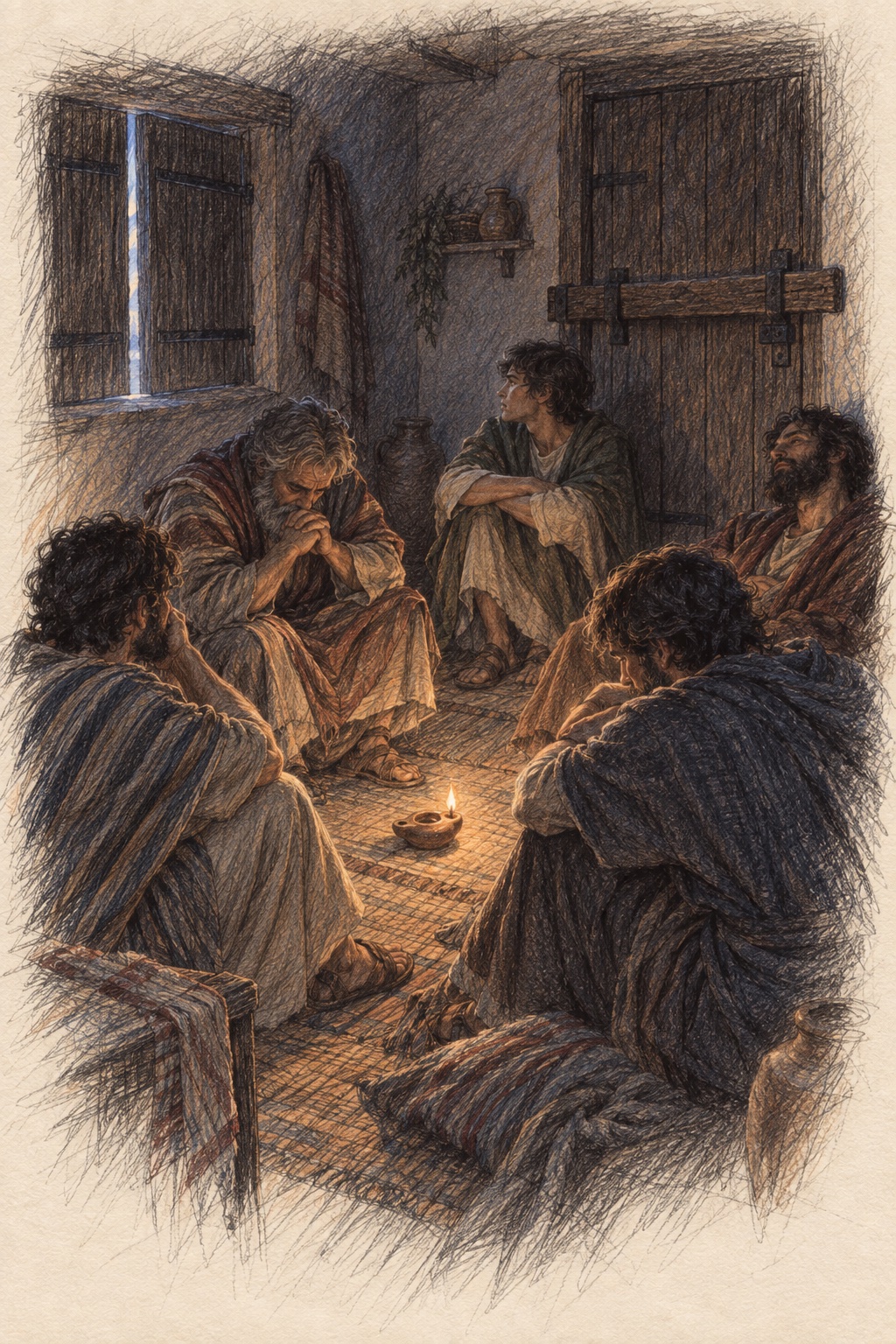
In the anxiety-riddled hours between Good Friday and Easter morning, the disciples of Jesus found themselves caught in an “in-between time.” It was an interlude suspended between despair and hope, promise and fulfillment. This period, too-often not even mentioned in “holy week,” holds profound lessons for Christians today. It’s a reflection of our own spiritual journey, living in the anticipation of Christ’s promised return, navigating a world riddled with uncertainty and longing for redemption. I want to explore how embracing the promise of the Resurrection and the anticipated return of Christ can transform our own “in-between” times from periods of doubt and anxiety to seasons of hope and faith.
The disciples were in the very midst of Jesus' teachings, witnessed his miracles, and clung to his promises of the kingdom to come. But the brutal reality of the cross cast a deep shadow over those promises. The world they knew was shattered. Hope seemed lost. They had heard Jesus speak of rising on the third day, but the weight of grief and fear clouded their faith. They huddled together in fear, not in anticipation of glory, but in mourning, their hopes – for all they knew and were experiencing – buried in a sealed tomb.
Imagine how different their experience of that first Easter could have been if they had understood and embraced the recurring promise of resurrection. Instead of despair, there would have been joyful preparation; instead of doubt, a steadfast gathering at the tomb to witness the promised moment. This reflection is not meant as a critique of their human reactions but an effort to learn from them, recognizing our own tendency to falter between the promises of God and their fulfillment.
Today, we live in our own in-between time—the “already but not yet” of God’s kingdom. Christ has risen, triumphing over death, and yet, we await his promised return in a world still groaning for redemption. Like the disciples, we know the promises: Christ will come again, justice will be restored, creation will be renewed, and every tear will be wiped away. Yet, amid personal trials, global crises, and the everyday weariness of life, these promises can seem distant, even surreal, if not unreal.
How, then, can we live differently, allowing the truth of Easter to infuse our in-between with hope and purpose? First, by remembering the words of Hebrews 11:1, "Now faith is the assurance of things hoped for, the conviction of things not seen." This passage of scripture invites us to adopt a posture of trust and anticipation, embodying the disciples' journey from despair to belief and our journey as we await Christ's return.
Second, by living in active anticipation. Trusting in the promise of Christ’s return transforms how we engage with the world around us. It calls us to lives of holiness and service, to be agents of the kingdom here and now, working for justice, peace, and healing in a broken world. It means living each day as if it might be the day of his coming – not in fear, but in joyful hope and blissful anticipation.
Finally, we can embody the promise by fostering community. Just as the disciples found strength and encouragement in their shared hope and eventual witness of the resurrection, we too are called to support one another, to bear each other’s burdens, and to encourage each other with the truth of the gospel. In community, our individual “in-between” times are woven into a larger tapestry of faith, hope, and love that sustains us and points the world to the risen Christ.
This Easter let’s make a commitment to embrace our in-between time – not as a period of uncertainty and despair but as a sacred space of hope and anticipation. Let’s bask in the light of the resurrection and the promised return of Christ, allowing this hope to transform our hearts, our actions, and our world. For in Christ, every promise holds true; it either becomes a “yes” in fulfillment or a “no” for our betterment. Without question, in the course of time, the day of his return will dawn, bringing an end to all our in-between times and ushering us into the fullness of a kingdom that’s far beyond our wildest hopes and dreams.
Pastoral Ponderings
I know the concept itself is hardly new, but in our current generation, “seeing is believing” has emerged as one of the prevailing ideologies. The biblical story of Thomas offers a profound counter-narrative that speaks directly to the heart of faith, belief, and the essence of what it means to truly see – and to truly be seen. Known historically as "Doubting Thomas," his story is not just a tale of skepticism but a journey concluding in unwavering faith.
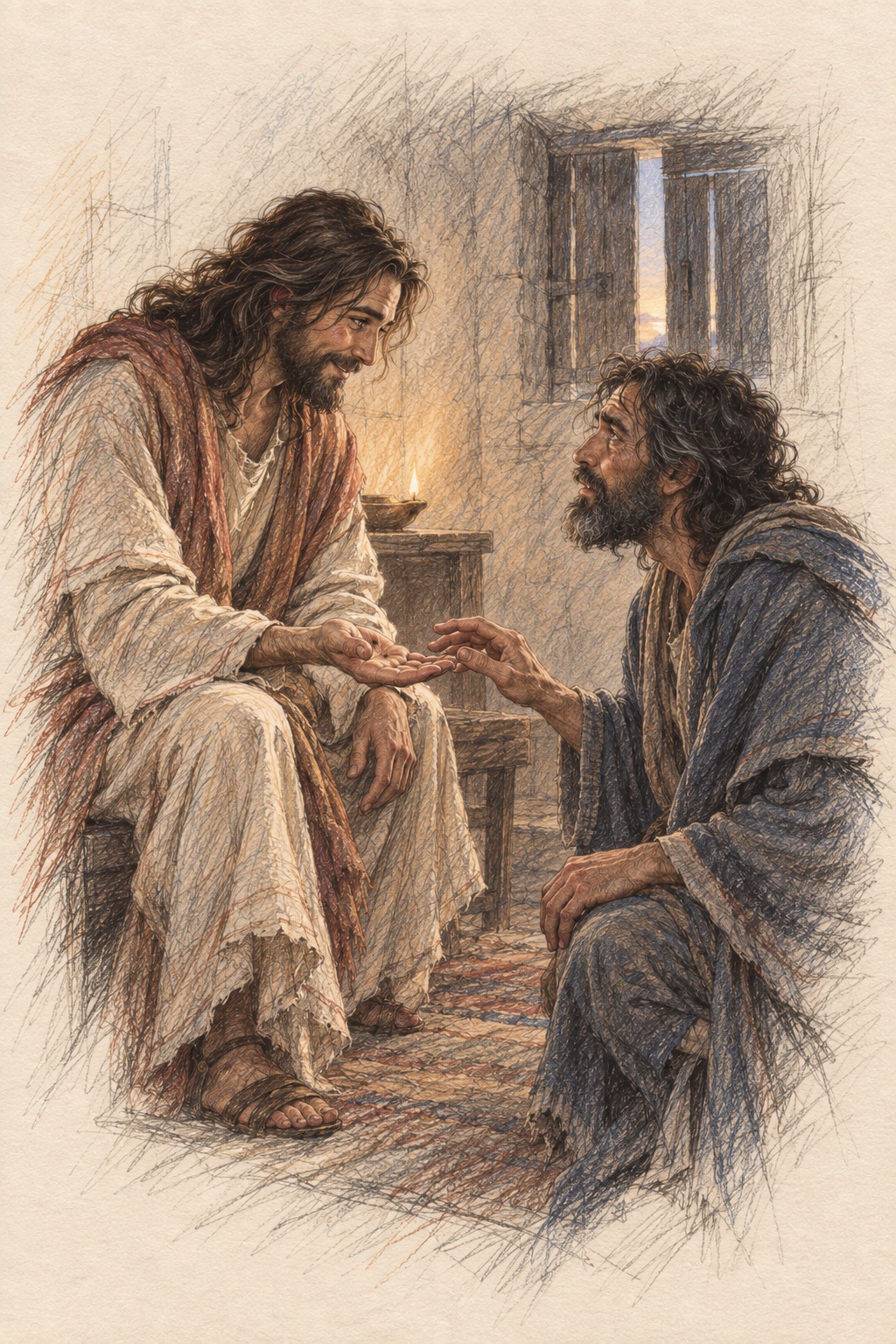
Thomas, one of Jesus’s twelve disciples, is typically only remembered for his doubt. He wasn't present when the resurrected Jesus first appeared to the disciples, and he was upset, if not petulant. He said that he would only believe if he could see and touch Jesus’ wounds himself. This request, while seemingly a declaration of unbelief, actually underscores a deeply human aspect of faith: the yearning for a tangible connection with the divine. Maybe he didn’t doubt at all; maybe he was just devastated at the missed opportunity to be with his friend again. As I read the story again and again, I sometimes find myself filled with doubt – not of the divinity of Christ, but of the expansive understanding of what that divinity represents.
Even if doubt is his prevailing sentiment, Thomas' story is about so much more than that; it’s a testament to the transformative power of faith. When Jesus does appear, fully inviting Thomas to touch his wounds, Thomas responds with the profound declaration of faith, “My Lord and my God!” “Doubting Thomas” doubts no more and becomes the first disciple to acknowledge that Jesus isn’t just the son of God, but is actually God. This pivotal moment marks a significant shift from anger and skepticism to a deep, personal understanding and acknowledgment of Jesus' divinity.
What makes Thomas' journey so relatable is the honesty and vulnerability with which he navigates his doubts. He doesn't hide his skepticism, nor does he shy away from asking for what he needs to believe. In this way, Thomas teaches us that faith isn’t characterized by a lack of questioning. It’s embodied by the courage to seek understanding and – most importantly – the openness to be transformed by what we discover.
The story of Thomas invites us to reflect on our own paths of faith. Like Thomas, we may find ourselves in moments of uncertainty, questioning the presence of the divine in our lives, especially during times of struggle or when the God seems silent. Yet, Thomas' encounter with the risen Christ reminds us that faith often finds its deepest roots not in the absence of doubt but in the process of wrestling with it.
In our journey towards belief, we are invited to bring our doubts, questions, and uncertainties to God. God never shies away from our skepticism but meets us with an openness that invites us into a deeper relationship. Just as Jesus extended a hand to Thomas, we are offered the opportunity to encounter God in a way that speaks to our individual experiences and doubts. The story of Thomas also teaches us that sometimes, it is not in the grandiose or the miraculous but in the quiet, intimate moments of our lives that we encounter the presence of God. It challenges us to look beyond our expectations and be open to the unexpected ways in which God is revealed.
As we reflect on the story of Thomas, let’s embrace the journey of faith with all its uncertainties and questions. Let us remember that it is through seeking, questioning, and yearning that our faith is deepened and our relationship with the divine is enriched. In the end, faith is not a destination but a journey—one that invites us into a deeper understanding of the divine and ourselves.
In our moments of doubt, may we find the courage to seek, the strength to question, and the openness to be transformed by the divine presence in our lives. And may we, like Thomas, move from doubt to a profound declaration of faith, acknowledging the very Lord-and-God who accompanies us, not merely in our moments of uncertainty, but especially within them.
Pastoral Ponderings
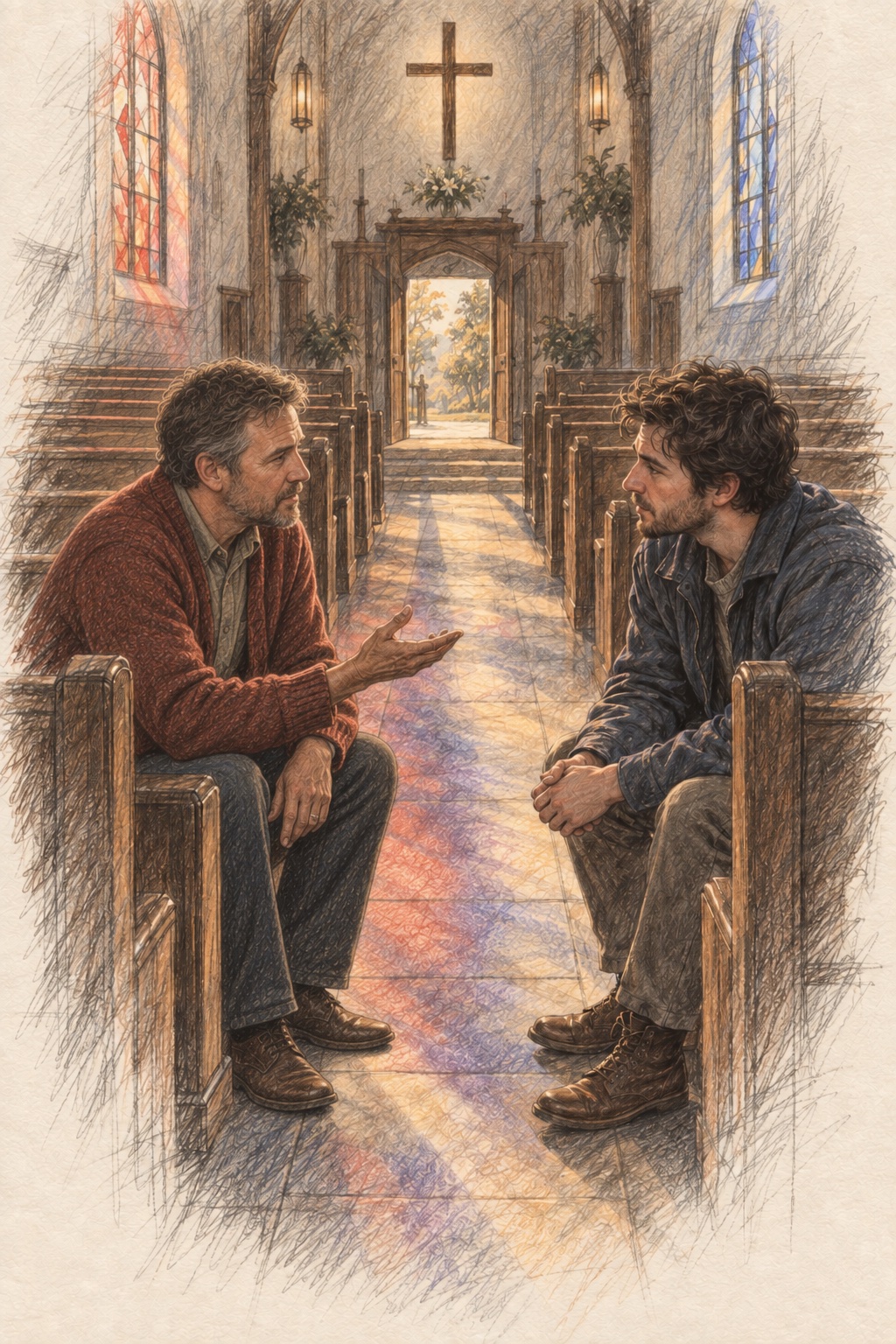
In the heart of a bustling town, divided sharply down the middle by ideologies and beliefs, stands a church – a symbol not just of faith, but of unity. This isn't just any town, and certainly not just any church. This is a community like many in our nation today, torn by the polarizing forces of modern American politics. The people here are you and me; they are our neighbors, friends, and family, each holding tightly to their convictions. Yet, on Sunday mornings, they gather under one roof, united by a faith that promises something greater than the sum of their differences.
Amid this complex backdrop, a crucial question arises: How should Christians navigate the choppy waters of political polarization? The answer, though grounded in ancient scripture, resonates with urgent relevance today. Paul, in his letter to the Ephesians, calls for a “unity of spirit through the bond of peace.” He implores us to be "completely humble and gentle; be patient, bearing with one another in love.” In these words lies a blueprint for our present time, urging us to transcend the divisions that fragment our communities – and our hearts.
Imagine then, this same community, where instead of “we don’t talk about it” winning as the prevailing ethos, discussions about healthcare, foreign policy, education, and even governance itself could actually happen. Imagine that they could happen in the pews as easily as in town hall meetings. But in the church, teachings of James resonate deeply, reminding us that if any of us lacks wisdom, we should ask God, who gives generously to all without finding fault. This divine wisdom compels us to approach political discussions not as battles to be won, but as opportunities for godly reflection and compassionate engagement. And this is where the church and world must differ, until the world catches up with the church.
As we navigate the current turbulent political waters – and they can be navigated – the prophetic words of Micah challenge us to "act justly and to love mercy and to walk humbly with God.” This call to action is not about partisan loyalty but about embodying the justice, mercy, and humility that marks the life of a Christ-follower.
Now, picture the impact of a community – our community – not just speaking, but living out these principles. It would be a testament to the world not only of our faith, but of our love – a love that refuses to be diminished by political affiliation. This vision may be idealistic, but it is attainable. It begins with each of us, every day, by choosing to put faith above faction.
As the shadows lengthen on a Sunday afternoon, the church empties and the congregation dissolves back into the divided world, carrying with them a message of unity and peace. It’s a message that, if nurtured, promises to transform our community from the inside out. In this quiet transformation lies our hope and our calling – not just to be hearers of the Word, but doers who bring light to the darkest corners of division and derision.
I think it’s time to step forward, not just as believers confined by the walls of a church, but as ambassadors of peace in every sphere we inhabit. Let us hold fast – not to the divisiveness that defines our times, but to the love that defies it. This cannot merely be an aspiration; it must be our mission. And in this spirit, let us rise together as a community, building bridges where walls might otherwise stand. Let us not just sing hymns, but actually live out a hymn of unity that resonates through our lives and our actions, echoing into the heart of our community and beyond. Let us commit, without fear or trepidation, to put faith above faction.
Self-Service Help
Hello! I'm here to provide you with quick answers to common questions, 24/7.
I'm not an AI. I'm a short list of answers the church wrote, matched to the words in your question. I know our service times, our staff, and how to reach us — and not much else. If I can't help, I'll point you to a person.
Help
The assistant needs JavaScript to answer. You can always email us.
Give withPayPal
Updated September 23, 2026
This is what happens to your information when you visit littleriverumc.org. The short version: we don’t collect it.
There are no accounts, no logins, no cookies, no tracking or analytics, and no ads on this site.
The assistant on the Help page runs in your browser. When it answers your question, nothing is sent or saved. When it can’t, that question is saved on our web server with the date and a shortened form of your internet address — enough to show roughly where you are, not who you are — so we can see what people ask and teach it better answers. It also offers to open your own email with your question filled in, if you’d like a reply from a person.
If you switch to the plain view, your browser remembers that choice so the site opens the same way next time. It stays on your device until you switch back or clear your browser’s data for this site.
If you write to us, we use your message and address only to reply to you.
If this ever changes, we’ll update this page and its date.
Questions about this policy:
Our Mission
“To make disciples of Jesus Christ for the transformation of the world.”
Our Vision
“To know, to grow, and to flow.”